

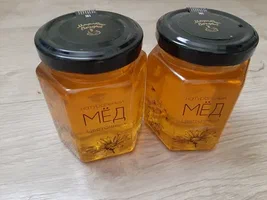
The best hive honey is raw honey that comes straight from the hive with little to no processing, keeping its natural pollen, enzymes, and flavor intact. It stands apart from the heavily filtered, heated honey that fills most store shelves.
Quality matters more than most shoppers realize. Honey is among the most commonly faked foods in the world, and by some testing, up to a third of imported samples show signs of adulteration with added syrups. Knowing the signs of genuine hive honey helps you spot the real thing with confidence.
Why the Best Hive Honey Is Raw and Unprocessed?
The best hive honey is raw, which means it is never pasteurized or heavily filtered. Processing removes pollen, reduces enzyme activity, and strips away much of the flavor and nutrition that make honey worthwhile.
Raw honey keeps everything the bees produced, from natural enzymes and antioxidants to the pollen that reflects its floral source. Producers like Smiley Honey have made raw, unprocessed honey since 1989 and are known for tupelo honey, a naturally high-fructose variety that stays smooth and golden without any processing.
5 Signs You’ve Found the Best Hive Honey
Real, high-quality honey shows its character in a few simple ways. These five signs tell you the honey in the jar came from the hive and stayed close to its natural form.
1. Crystallizes Naturally Over Time
The best hive honey usually crystallizes over time, and that is a good sign. Crystallization happens when natural glucose separates from the honey, which shows it has not been heavily heated or filtered. The texture may turn grainy or firm, and the color often lightens as the crystals form.
Many people mistake this for spoilage, but crystallized honey is still pure and safe to eat. Its flavor and nutrients stay intact, and a gentle warm-water bath brings it back to a smooth, liquid state whenever you prefer it that way.
One exception is worth knowing. High-fructose honeys such as tupelo and acacia stay liquid for a long time even when fully raw, so a jar that resists crystallizing is not always a warning sign.
2. Has a Thick, Slow-Pouring Texture
Top-quality honey is thick and pours slowly, a result of its low moisture and natural density. This thickness comes from the enzymes, pollen, and natural sugars the bees pack into every drop.
A few quick cues reveal good texture:
-
It moves slowly when you turn the jar upside down.
-
It forms a thick ribbon off a spoon instead of running like water.
-
It holds in a bead on your thumbnail rather than spreading.
Runny, fast-pouring honey often points to added water or syrup.
3. Flavor Is Rich and Layered, Not Just Sweet
The best hive honey has a rich, layered flavor that goes well beyond plain sweetness. Depending on the flowers the bees visited, you may notice floral, fruity, earthy, or slightly bitter notes that develop as you taste. These flavors come from the nectar and the natural enzymes created inside the hive, so each variety tastes a little different.
Heavily processed or diluted honey tends to taste flat and one-dimensional. A complex flavor with a clear beginning, middle, and finish is one of the surest signs of authentic, minimally processed honey. If the taste also matches what the label promises, that is an even stronger mark of quality.
4. Looks Cloudy and Carries Natural Pollen
Raw, high-quality honey often looks slightly cloudy because it still contains natural pollen and fine particles. This haze is a sign that the honey has not been ultra-filtered, which is the process that strips away pollen and many beneficial compounds.
Perfectly clear, glass-bright honey can look appealing, but it usually means heavy filtering. The natural pollen in cloudy honey reflects its floral source and adds to its nutritional value, which is why many beekeepers strain their honey only lightly.
5. Label and Source Are Transparent
Honest labeling and clear sourcing are among the strongest signs of quality, since vague terms often hide low-grade honey. The more a producer tells you about the honey, the more confident you can be in it.
A trustworthy label usually shows:
-
The words raw and unfiltered, not just pure or natural.
-
A single floral source or origin, such as tupelo or wildflower.
-
The beekeeper or apiary name and location.
-
One ingredient only, with no added syrups or flavors.
Honey sold as a blend from multiple countries is often a sign to look elsewhere.
Quick Ways to Test Honey at Home
You can check honey quality at home with a couple of simple tests. They are not lab-grade, but they offer useful clues:
-
The Water Test: Drop a spoonful into room-temperature water. Raw honey sinks and holds together before slowly dissolving, while diluted honey disperses quickly.
-
The Thumb Test: Place a drop on your thumbnail. Pure honey stays in a bead, while watery honey runs off the side.
Use these alongside flavor, texture, and label checks rather than on their own.
FAQs
Does pure honey crystallize?
Yes, most pure honey crystallizes over time as natural glucose forms crystals. This is a sign it has not been heavily processed. Some high-fructose honeys, like tupelo and acacia, stay liquid much longer, even when fully raw.
Does a “pure” or “natural” label mean honey is raw?
No, terms like pure and natural are not regulated and do not guarantee raw honey. Look for raw and unfiltered instead, along with a named floral source, the beekeeper’s location, and a single honey ingredient.
How can I test honey quality at home?
Try the water test and the thumb test. Drop honey into room-temperature water and watch if it sinks and holds together, then place a drop on your thumbnail to see if it stays in a bead.
Bottom Line
The best hive honey reveals itself through a few clear signs. It crystallizes naturally, pours thick and slow, tastes rich and layered, looks slightly cloudy with natural pollen, and comes with an honest, transparent label. Together, these point to raw, minimally processed honey that keeps everything the bees made. Once you know what to look for, choosing real quality becomes simple.
For more than thirty years, Smiley Honey has produced raw, small-batch honey from the wild river basins of Northwest Florida, where bees forage on rare white tupelo blossoms. Every jar is unheated, unfiltered, and bottled true to its floral source, from its award-winning tupelo to its World Famous raw honeycomb. Nothing is rushed, blended, or stripped of the goodness the bees worked to create.
Once you taste honey this pure, the ordinary jar on the shelf never quite satisfies again. Get your jar of true hive honey and taste the difference straight from the source!