
Plastic cards and key tags are two of the most practical and consistently effective branded items a business can put into a customer’s hands. Small, durable, and carried daily, they show up every time someone reaches for their wallet or their keys. Card and key tag printing TT covers a broad range of products used across loyalty programs, membership schemes, access control, gift card systems, and general brand promotion.
Getting the print right from the first order saves time, avoids reprints, and produces pieces that represent the business well every time they are used.
What Card and Key Tag Printing Is
Understanding the two product types and their distinct uses makes it easier to choose the right format for the job before any design work begins.
Card Printing vs Key Tag Printing
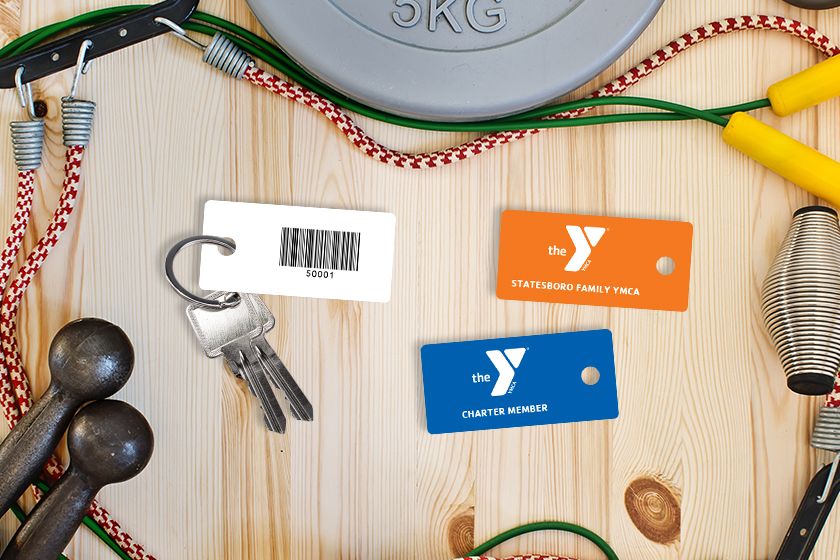
Plastic cards follow the CR80 standard, the same size as a credit card, and sit flat in a wallet slot. They offer more surface area for branding and barcodes, making them the natural choice when customers are expected to present the card regularly.
Key tags are smaller and attach to a keychain, which means they travel with the customer every day without any extra effort. The design space is more limited, but the constant visibility more than compensates for it.
Common Business Uses
Card and key tag printing serves a wide range of business applications:
- Loyalty and rewards programs that track visits or purchases
- Membership credentials for gyms, clubs, and subscription services
- Gift cards and stored value products for retail environments
- Access control and employee ID cards
- Referral cards and promotional pieces for customer acquisition
- Branded giveaways at events and trade shows
Many businesses run cards and key tags together as a matched set, giving customers both options and increasing the chance that the branding stays with them.
Why Businesses Use It
Printed cards and key tags serve both a functional and a marketing purpose, and businesses that use them well benefit from both simultaneously.
Customer Retention and Repeat Visits
Customers who hold a physical card tied to a loyalty program or membership have a reason to return that exists independently of any promotion or advertising. The card itself is a reminder of what they have earned, what they are working toward, and which business they have a relationship with. Over time, that tangible connection supports retention in ways that digital-only programs often struggle to replicate.
Key tags in particular are effective because they travel on the same keyring as the customer’s car key and house key, which means the brand is visible multiple times a day without any additional marketing spend.
Branding and Professional Presentation
Handing a customer a well-produced plastic card rather than a paper token signals investment in their experience, and the quality of the card reflects directly on the quality of the business. Consistent branding across cards, key tags, and other print materials reinforces that impression further. When the card uses the same colors, fonts, and logo as the business’s signage, website, and packaging, it strengthens visual identity every time it appears in a customer’s hands.
Card & Key Tag Design Basics
Getting the design right before sending files to print saves the cost and delay of reprints and produces a finished product that looks professional across every piece in the run.
Layout, Size, and Branding Elements
Standard card size: 3.375 x 2.125 inches (CR80). Design to this size exactly, including a bleed of 1/8 inch on all sides to account for cutting variation.
Key tag size: Typically 3.5 x 1.5 inches with a 1/4 inch punch hole at one end. The usable design area is smaller than it looks, so keep the layout clean and prioritize the most important elements.
Branding elements to include:
- Business name and logo in a prominent position
- Contact information such as website, phone number, or address
- Call to action or program name where relevant
- Card number or barcode if the card will be scanned
Avoid the temptation to include everything the business offers. The most effective cards carry one clear message and one clear visual identity.
Barcode, QR Code, and Logo Placement
Barcodes and QR codes need clear space to scan reliably. Place them on a plain background with at least 1/8 inch of light colored space on all sides and keep them away from the card edges. Logos require similar attention to legibility on a small format. On a key tag in particular, a complex logo with fine detail may lose clarity at the reduced size, which means a simplified version of the logo often works better and reads more clearly than the full detail original.
Printing and Production
The material and finish choices made during production determine how long the card holds up and how professional it looks in use.
Materials, Finishes, and Durability
Standard plastic cards are printed on PVC stock, which is durable, flexible, and resistant to the everyday wear of wallet use. PVC cards hold printed color well and maintain their finish over years of regular handling.
Finish options include:
- Gloss: Bright, high-contrast finish that makes colors pop and suits bold, colorful designs
- Matte: Softer appearance with less reflection, suits minimal or professional designs
- Spot UV: Applies a glossy coating to specific elements such as the logo or card number, creating a contrast between the coated and uncoated areas
Key tags use the same material options and benefit from the same durability considerations. Both products can be produced with magnetic stripes, barcodes, QR codes, and serial numbering as part of the print run.
File Format, Bleed, and Cut Line Requirements
Most professional print suppliers accept files in PDF, AI, or EPS format. Set the document to the correct finished size, add 1/8 inch bleed on all sides, and keep all text and important design elements at least 1/8 inch inside the cut line to avoid anything being trimmed during production. Resolution should also be set to 300 DPI at the final print size, since images submitted at screen resolution will appear blurry when printed regardless of how they look on screen.
Expected Errors to Avoid
Most reprints and production delays come from the same small set of errors. Catching these before the file is submitted saves both time and cost.
Overcrowded Design
The most common mistake in card and key tag design is trying to include too much information on a small format that rewards restraint. The most effective cards carry a logo, a single clear message, and a contact point, because every additional element competes for attention and reduces the impact of what matters most. If the card requires a long explanation of what it is for, the design needs to be reconsidered rather than expanded.
Incorrect Margins or Low Resolution Artwork
Placing important design elements too close to the edge of the card risks them being cut off during production, so all text and logos should sit at least 1/8 inch from the cut line, with bleed set up correctly so the background extends fully to the edge of the print area without leaving a white border.
Low-resolution images are the other issue that shows up consistently in orders requiring a reprint. Any image placed into the design should be at 300 DPI at the final print size, because enlarging a low-resolution image to fill the card will produce a noticeably soft or pixelated result that cannot be corrected after the file goes to press.
Final Tips Before Ordering
The last checks before placing an order take only a few minutes but prevent the most common reasons orders need to be revised or reprinted after delivery.
Check Proof, Compatibility, and Turnaround Time
Before approving any print run, review the proof carefully under good lighting and confirm:
- All text reads correctly with no spelling errors
- Barcodes and QR codes are positioned with adequate clear space
- Colors match the intended brand palette
- The card size and punch hole placement are correct for the intended use
Confirm that the card format is compatible with any scanning equipment, readers, or loyalty software that will be used with it before the order goes to press.
Choose the Right Printing Provider
The right provider for card and key tag printing offers more than a competitive price. Look for suppliers who provide free design support, proof review before production, and clear turnaround commitments. Small minimum order quantities matter for new programs or test runs, and the ability to reorder the same specification without reformatting saves time on repeat orders.
FAQs
What is the standard size for a plastic card?
The standard size is CR80, which measures 3.375 x 2.125 inches, the same dimensions as a credit card. This format fits standard wallet slots and is the most widely used size for loyalty, membership, and gift cards.
Can I order cards and key tags together as a matched set?
Yes, most suppliers, including Duracard, produce cards and key tags as a matched pair using the same design, so the branding stays consistent across both formats. Giving customers both options increases the likelihood that the branding travels with them daily.
What file format should I submit for card printing?
PDF, AI, or EPS are the standard formats accepted by professional card printers. Set the document to the finished card size with 1/8 inch bleed on all sides, and ensure all artwork is at 300 DPI at the final print size to avoid blurry output.
Takeaway
Well-designed, professionally printed cards and key tags deliver more value than their size suggests. They keep a brand in front of customers daily, support loyalty and retention programs, and signal a level of care that affects how the business is perceived. Getting the specification right from the start means the cards serve their purpose for years without needing to be replaced early.
Duracard produces custom plastic cards and key tags for businesses of every size, with free design help included on every order. The team works with customers from the first layout through to final proof approval, with fast turnaround and no hidden fees. Whether the order is a small test run or a large program launch, Duracard builds the right product for the job.
Read More: How Plastic Business Card Printing Helps Your Brand Stay Memorable