


Introduction
Advanced Driver Assistance Systems (ADAS) have become a standard feature in many modern vehicles. However not every vehicle uses the same sensors, software or safety technologies. That is why ADAS calibration requirements vary from one vehicle to another. This makes it essential for collision repair shops to follow manufacturer specific repair procedures rather than relying on general assumptions.
Quick Answer
ADAS calibration requirements are different for every vehicle. That’s because manufacturers use different sensor technologies, mounting locations, software & engineering standards. Requirements also vary by make, model, year, trim level & repair operation.
To determine the correct calibration procedures, collision repair shops should always review current OEM documentation for the specific vehicle being repaired.
Why Are ADAS Calibration Requirements Different for Every Vehicle?
Although many vehicles offer similar driver assistance features, the technology behind those features differs. Understanding the factors that influence calibration requirements helps repair shops create accurate repair plans.
Every Manufacturer Designs ADAS Systems Differently
Each automaker develops its own approach to ADAS technology. Though two vehicles may both offer Adaptive Cruise Control or Lane Keeping Assist, they may use completely different hardware & software.
Manufacturers differ in areas such as:
- Camera placement
- Radar sensor design
- Sensor mounting brackets
- Calibration targets
- Software programming
- Diagnostic procedures
Because every system is engineered differently, calibration methods also differ.
Vehicle Model, Year & Trim Level Matter
Calibration requirements are not only different between manufacturers but also between vehicles from the same brand.
For example, two vehicles of the same model may have different calibration procedures because of:
- Different model years
- Different trim levels
- Optional safety packages
- Updated ADAS hardware
- Software revisions
A procedure that applies to one vehicle may not apply to another, even if they appear nearly identical.
Repair Operations Affect Calibration Requirements
Calibration is often triggered by the repair itself rather than direct damage to an ADAS sensor.
Common repair operations that may require calibration include:
- Windshield replacement
- Front bumper replacement
- Rear bumper repairs
- Camera replacement
- Radar replacement
- Side mirror replacement
- Suspension repairs
- Steering repairs
- Wheel alignment
- Structural repairs
Since every repair is unique, calibration requirements must be evaluated individually rather than assuming similar repairs require the same procedures.
Manufacturers Establish Their Own Calibration Standards
OEM repair procedures specify exactly when calibration is required and how it should be performed. Some manufacturers may require calibration after relatively minor repairs, while others only require it under specific conditions.
OEM procedures may include:
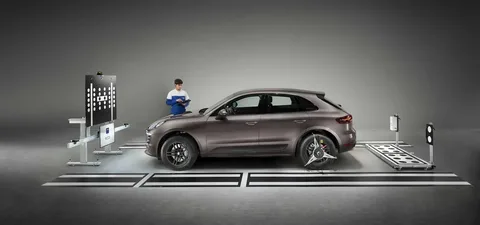
- Static calibration requirements
- Dynamic calibration requirements
- Environmental conditions
- Required diagnostic equipment
- Vehicle preparation instructions
- Post-calibration verification steps
Following these manufacturer standards helps ensure ADAS systems operate as intended after repairs are completed.
Technology Continues to Evolve Every Year
Vehicle technology is advancing rapidly. New cameras, radar sensors, ultrasonic sensors, lidar systems & software updates continue to change how ADAS systems operate.
As technology evolves, manufacturers regularly update:
- Repair procedures
- Calibration methods
- Diagnostic requirements
- Software specifications
- Safety system configurations
This is one reason repair facilities should always reference current OEM procedures instead of relying on previous repair experience.
Many collision repair shops also use AI-powered ADAS reporting software to keep pace with this growing complexity. By analyzing repair estimates and identifying likely calibration requirements, these tools help repair planners locate relevant OEM procedures more efficiently while reducing manual research.
Why Can’t Collision Repair Shops Use the Same Calibration Process for Every Vehicle?
Using a standard calibration process for every vehicle would ignore the engineering differences between manufacturers.
Each vehicle has unique:
- Sensor locations
- Camera angles
- Mounting tolerances
- Calibration targets
- Software programming
- Electronic control systems
Applying the wrong calibration procedure may affect how driver assistance systems interpret road conditions and respond to hazards. That is why manufacturer-specific repair information is essential throughout the repair process.
How Can Collision Repair Shops Keep Up With Different OEM Calibration Requirements?
Managing calibration requirements across multiple manufacturers can be challenging, especially for busy repair facilities.
Collision repair shops can improve consistency by:
- Verifying the vehicle’s VIN before beginning repairs.
- Reviewing repair estimates carefully.
- Accessing current OEM repair procedures.
- Identifying repair operations that trigger calibration.
- Standardizing the repair planning process.
- Using AI-powered reporting software to organize research and documentation.
Following the same workflow for every repair reduces the likelihood of overlooked calibration requirements while improving repair efficiency.
Why Is OEM Documentation the Most Reliable Source for Calibration Requirements?
OEM repair procedures are developed by the engineers who designed the vehicle’s safety systems. They explain exactly when calibration is required, which procedures must be followed & what conditions are necessary for successful calibration.
Unlike general repair references or assumptions based on previous experience, OEM documentation reflects the manufacturer’s current recommendations for a specific vehicle.
Using current OEM information helps collision repair shops:
- Support accurate repair planning.
- Improve documentation.
- Reduce missed calibration requirements.
- Maintain consistency across repairs.
- Follow manufacturer-recommended repair procedures.
As ADAS technology continues to evolve, relying on OEM guidance remains the most dependable way to determine calibration requirements.
Conclusion
ADAS calibration requirements differ for every vehicle because manufacturers use unique technologies, engineering standards & repair procedures. Differences in make, model, year, trim level & repair operations all influence whether calibration is required & how it should be performed. By reviewing current OEM documentation and using tools that streamline estimate analysis and reporting, collision repair shops can identify the correct calibration requirements more efficiently and support safe, manufacturer-recommended repairs.