

Understanding the Hidden Burden of Chronic Discomfort
Musculoskeletal conditions represent some of the most pervasive health challenges in modern society, disrupting professional productivity, sleep quality, and daily physical functional freedom. Among these conditions, spinal misalignments and structural imbalances often manifest as localized or radiating pain, creating deep obstacles for individuals trying to live active, fulfilling lives. Whether dealing with sharp shooting pains, dull localized aches, or complex neurological sensations, finding an effective, non-invasive treatment pathway is critical to long-term recovery and systemic wellness.
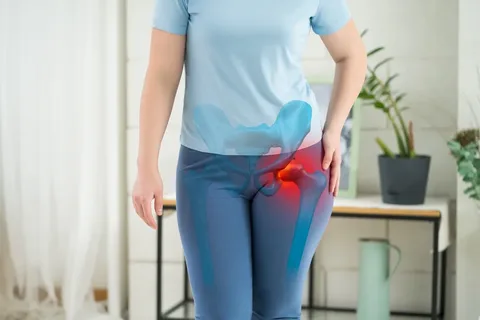
Data published by the Centers for Disease Control and Prevention (CDC) indicates that over 7% of adults in the United States report experiencing hip pain or stiffness on most days, emphasizing the pervasive nature of joint degradation and alignment issues in the adult population. This high prevalence demonstrates that structural and physical issues are rarely self-correcting; instead, they require systematic, targeted interventions to address the underlying root causes rather than merely masking the outward symptoms with temporary pharmaceutical fixes.
The Biomechanics of Spine and Joint Dysfunction
To fully appreciate the efficacy of natural, non-surgical interventions, one must understand the intricate structural biomechanics of the human frame. The spine acts as the primary central highway for the nervous system, protected by a complex assembly of vertebrae, intervertebral discs, ligaments, and deep muscle groups. When any component of this kinetic chain becomes misaligned—a condition known professionally as a subluxation—it alters weight distribution and creates uneven mechanical stress across adjacent joints, muscles, and nerve networks.
For many individuals, these structural imbalances remain unnoticed until they cross a threshold that triggers inflammation, localized swelling, and severe discomfort. When spinal mechanics are altered, the body attempts to compensate by tensing surrounding muscle groups, leading to secondary spasms, restricted range of motion, and accelerated joint degradation over time.
Chiropractic Care: A Holistic and Non-Invasive Approach
Chiropractic medicine approaches human wellness from a fundamental structural truth: a properly aligned body is inherently capable of healing itself when structural barriers and nervous system interference are removed. Unlike conventional medical approaches that rely heavily on prescription painkillers, muscle relaxers, or high-risk surgical procedures, conservative chiropractic adjustments focus heavily on restoring optimal joint mobility, improving nervous communication, and encouraging the body’s natural regenerative mechanisms.
Through precise, controlled forces applied directly to restricted joints, a skilled practitioner can restore proper alignment, alleviate mechanical pressure on compressed neural structures, and dramatically reduce localized tissue inflammation. This systematic restoration of structural mechanics not only relieves immediate discomfort but also improves long-term tissue resilience and physical functionality.
Personalized Treatment Strategies for Lasting Wellness
Every individual possesses a unique physiological history, structural alignment, and lifestyle demands, meaning that one-size-fits-all treatments are fundamentally inadequate for complex spinal and joint issues. A comprehensive physical rehabilitation program begins with an extensive, highly detailed clinical evaluation, including posture analysis, joint mobility testing, and, when clinically indicated, precise diagnostic imaging.
Once a definitive structural diagnosis is established, a tailored care plan is engineered. This plan frequently combines targeted spinal or joint manipulations with advanced soft tissue therapies, non-surgical decompression, and localized supportive modalities. By combining manual adjustments with customized rehabilitative exercises, patients can actively strengthen their core supporting musculature, stabilize newly aligned joints, and significantly minimize the risk of future symptom recurrence.
Embracing Specialized Local Care for Superior Outcomes
Navigating your path to physical recovery requires a trusted healthcare partner who understands the nuances of advanced musculoskeletal care and structural rehabilitation. For residents seeking professional, dedicated, and patient-centered therapeutic care, finding specialized local clinical expertise is the ultimate turning point in your health journey.
If you or a loved one are currently struggling to manage chronic structural or neurological discomfort, exploring your options for professional Hip Pain Chiropractor Richmond VA can open the door to advanced, non-surgical relief options designed specifically around your unique physical needs and lifestyle goals.
The Long-Term Benefits of Structural Maintenance
The ultimate objective of comprehensive chiropractic and physical rehabilitation extends far beyond immediate symptom relief. While eliminating pain is an important milestone, true healing involves stabilizing the human frame, optimizing nervous system function, and educating patients on the principles of ergonomic safety, functional movement, and preventative self-care.
Investing time and energy into regular structural checkups, maintaining proper Core stabilization, and practicing positive postural habits allows individuals to protect their joints against premature wear and tear. This proactive approach ensures that you can continue enjoying favorite activities, executing professional duties without restriction, and maintaining an exceptional quality of life for many years to come.