

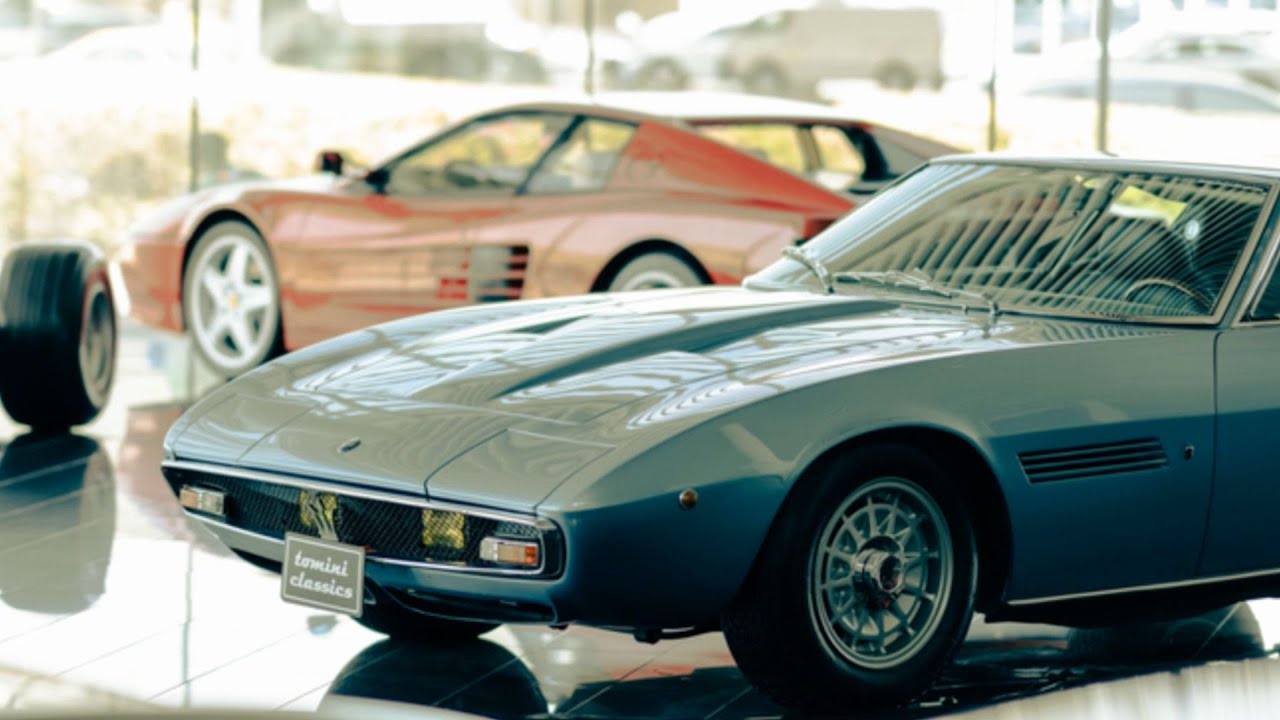
Collector cars represent far more than a mode of transport. They are rolling pieces of history, showcasing the engineering, craftsmanship, and design philosophies of their era.
Whether it’s a beautifully restored Australian muscle car, a British roadster, or an American V8 icon, collector cars continue to attract enthusiasts who appreciate their heritage and timeless appeal.
Unlike modern vehicles built with advanced electronics and mass production techniques, many collector cars were designed with mechanical simplicity and distinctive styling that remain difficult to replicate today.
Their growing popularity has also turned them into valuable investments, with rare models often appreciating significantly over time.
What Defines a Collector Car?
Not every older vehicle qualifies as a collector car. Several factors contribute to a vehicle earning this status, including:
- Historical significance
- Limited production numbers
- Exceptional engineering
- Cultural impact
- Originality and authenticity
- Proven restoration quality
Many collectors also value documented ownership history, factory specifications, and matching numbers, all of which contribute to the vehicle’s long-term desirability.
The Importance of Professional Restoration
A well-preserved collector car doesn’t simply happen by chance. Time inevitably takes its toll through corrosion, worn mechanical components, faded paintwork, and deteriorated interiors. Professional restoration helps preserve both the vehicle’s appearance and its historical integrity.
When restoring a collector vehicle, enthusiasts often focus on maintaining originality wherever possible. This includes sourcing genuine parts, using period-correct finishes, and following manufacturer specifications.
Choosing experienced specialists for collector car restoration ensures every detail receives the attention it deserves.
From engine rebuilding and bodywork to suspension upgrades and interior refurbishment, skilled restoration can return a classic vehicle to showroom condition while preserving its authenticity.
Why Authenticity Matters
Authenticity plays a significant role in the collector car market. While tasteful modifications may improve drivability, originality generally has the greatest influence on long-term value.
Buyers often look for:
- Original engine and transmission
- Factory colour combinations
- Authentic interior materials
- Matching identification numbers
- Comprehensive restoration records
Vehicles that retain these characteristics typically attract stronger interest at auctions and private sales.
Collector Cars as an Investment
While many enthusiasts purchase collector cars out of passion, they can also become valuable financial assets.
Certain models have demonstrated impressive appreciation over recent decades, particularly those with limited production runs or significant motorsport heritage.
However, successful collecting requires careful research rather than speculation. Important considerations include:
- Vehicle rarity
- Market demand
- Historical importance
- Restoration quality
- Maintenance history
- Storage conditions
Like any investment, market values can fluctuate, making long-term ownership the preferred strategy for most collectors.
Proper Storage Makes All the Difference
Protecting a collector car involves much more than parking it in a garage. Environmental conditions significantly affect both cosmetic and mechanical components.
Owners should consider:
- Climate-controlled storage where possible
- Regular battery maintenance
- Fuel stabilisers for extended storage
- Tyre pressure monitoring
- Routine engine operation
- Regular inspections for moisture or corrosion
Consistent preventative maintenance helps minimise costly repairs while preserving originality.
The Joy of Driving History
Although some collector vehicles become museum-quality display pieces, many owners believe classic cars should still be driven. Experiencing the unique steering feel, engine note, and analogue driving characteristics offers something that modern vehicles often cannot replicate.
Collector car events, club gatherings, and scenic drives provide opportunities to enjoy these vehicles while connecting with fellow enthusiasts who share the same passion for automotive history.
Learning More About Restoration
For anyone interested in understanding what goes into bringing classic vehicles back to life, restoration documentaries offer valuable insights into the craftsmanship involved.
One excellent example is the History Channel’s Counting Cars: Ultimate 1968 Charger & Classic Harley Restoration, available on YouTube:
The episode demonstrates the extensive planning, skilled workmanship, and attention to detail required to restore iconic collector vehicles while respecting their original character.
The Future of Collector Cars
As automotive technology continues shifting towards electrification and increased automation, collector cars may become even more treasured.
They represent an era when driving was highly mechanical, designs were bold, and individual manufacturers developed distinctive engineering identities.
Younger enthusiasts are also entering the hobby, expanding interest beyond traditional classics to include modern performance vehicles from the 1980s, 1990s, and early 2000s.
This evolving definition of collectability ensures the market remains vibrant and diverse.
Final Thoughts
Collector cars preserve an important chapter of automotive history while providing owners with a rewarding and engaging hobby.
Whether admired for their engineering, restored to concours standards, or simply enjoyed on weekend drives, these vehicles continue to inspire enthusiasts across generations.
Investing in proper restoration, ongoing maintenance, and careful preservation ensures that collector cars will remain appreciated for many years to come, allowing future generations to experience the craftsmanship and character that define these remarkable machines.
